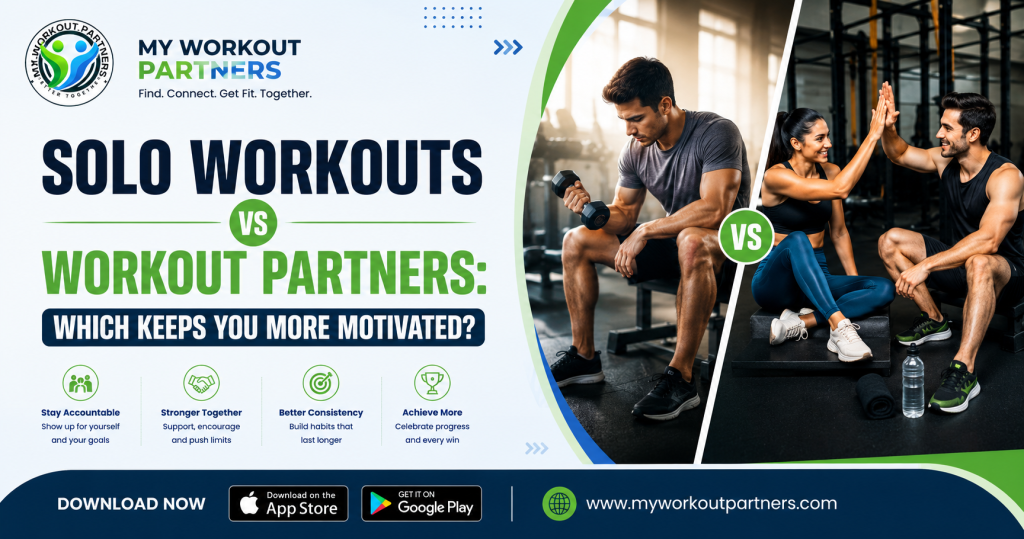
Staying motivated with fitness is not always easy. Most people start with excitement, set goals, buy workout clothes, and promise themselves they’ll stay consistent. But after a few weeks, motivation starts to fade. Busy schedules, low energy, stress, and boredom often make workouts feel harder to maintain.
This is where many people begin asking an important question: should you work out alone or with someone else?
Some people love the freedom and independence of solo training. Others feel more energized and committed when exercising with a workout partner. Both approaches have benefits, but the real difference often comes down to motivation and consistency.
If you’ve been struggling to stay active or keep up with your fitness goals, understanding the pros and challenges of each style can help you build a routine that actually lasts.
Why Motivation Matters in Fitness
Motivation is what gets you started, but consistency is what creates results.
You do not need perfect workouts every day to improve your fitness. What matters most is showing up regularly. Whether your goal is weight loss, muscle gain, improved endurance, or better mental health, consistency is the foundation of progress.
The problem is that motivation naturally changes from day to day. Some mornings you feel excited to train. Other days, skipping the workout feels much easier.
That’s why having a system that keeps you accountable is often more important than relying on willpower alone.
The Benefits of Solo Workouts
Working out alone can be incredibly effective for people who enjoy independence and flexibility. Many fitness enthusiasts prefer solo sessions because they allow complete control over the workout experience.
1. You Control Your Schedule
One of the biggest advantages of solo workouts is flexibility.
You can train whenever you want without coordinating with another person’s schedule. Whether you prefer early morning runs, late-night gym sessions, or quick lunchtime workouts, solo fitness gives you freedom.
This flexibility is especially useful for busy professionals, students, and parents who may struggle to match schedules with others.
2. You Can Focus Fully on Yourself
Solo workouts allow you to move at your own pace.
You can spend extra time improving form, increasing endurance, or practicing specific exercises without feeling pressured to keep up with someone else. For beginners, this can create a more comfortable and less intimidating environment.
Many people also enjoy using solo workouts as personal time to relax mentally, listen to music, or disconnect from daily stress.
3. Independence Builds Discipline
Training alone teaches self-discipline.
When no one is reminding you to exercise, you learn how to motivate yourself internally. Over time, this can strengthen your commitment and mental toughness.
People who successfully maintain solo routines often develop strong personal accountability habits that carry into other areas of life.
The Challenges of Solo Workouts
While independence has benefits, solo workouts also come with challenges that can affect long-term consistency.
1. It’s Easier to Skip Workouts
Without accountability, missing one workout can quickly turn into missing several.
When no one is expecting you at the gym or checking your progress, excuses become easier to justify. A long workday or low-energy mood can suddenly feel like a valid reason to skip exercise.
This is one of the biggest struggles for beginners trying to build consistent fitness habits.
2. Motivation Can Feel Unstable
Solo fitness routines often depend heavily on self-motivation.
Some days you may feel highly focused and productive. Other days, motivation may disappear completely. Without external support or encouragement, staying committed during difficult periods becomes much harder.
3. Workouts May Become Repetitive
Doing the same routine alone repeatedly can eventually feel boring.
Lack of variety and social interaction may reduce excitement over time. This often leads people to lose interest or stop exercising consistently.
The Benefits of Workout Partners
Having someone beside you during your fitness journey can completely change your mindset toward exercise.
Workout partners provide accountability, support, motivation, and encouragement that many people struggle to maintain on their own.
1. Accountability Improves Consistency
One of the biggest reasons workout partnerships work so well is accountability.
When someone is expecting you to show up, you’re far less likely to skip a workout. Even on days when motivation feels low, knowing another person is relying on you creates extra responsibility.
This accountability system helps many people stay consistent for longer periods.
Research and real-life experience both show that social support increases exercise adherence. People tend to stick with routines longer when they feel connected to others.
How Accountability Changes Fitness Habits
Accountability creates structure.
Instead of making daily decisions about whether to exercise, workouts become part of your routine. This reduces mental resistance and makes fitness feel more automatic over time.
A workout partner can:
- Check in on your progress
- Encourage you during difficult sessions
- Help you stay committed to goals
- Celebrate achievements with you
- Push you to stay focused
These small interactions often make a huge difference in long-term motivation.
2. Workouts Become More Enjoyable
Exercise feels easier when you enjoy the experience.
Talking during walks, encouraging each other during strength training, or simply sharing fitness goals can make workouts more fun and engaging.
For many people, social interaction reduces boredom and turns exercise into something they actually look forward to.
3. Partners Push You Beyond Comfort Zones
A good workout partner helps you push harder safely.
You may run longer, complete more repetitions, or stay consistent during difficult weeks because someone is motivating you to keep going.
This extra encouragement often leads to better performance and faster progress.
4. Emotional Support Makes a Difference
Fitness journeys are not always smooth.
There will be weeks where progress slows down, motivation drops, or life becomes stressful. During these moments, support from another person can help you stay mentally strong.
Encouragement and shared struggles remind you that setbacks are normal and temporary.
The Challenges of Workout Partners
While workout partnerships offer many benefits, they are not perfect for everyone.
1. Scheduling Can Be Difficult
Coordinating workout times with another person may become challenging.
Busy schedules, work responsibilities, or different energy levels can sometimes create frustration.
Consistency becomes harder if one partner frequently cancels or loses interest.
2. Different Fitness Levels May Create Imbalance
If one person is significantly more advanced, workouts may feel too difficult or too slow for the other partner.
Finding someone with similar goals, fitness levels, and commitment is important for long-term success.
3. Dependence Can Become a Problem
Some people become too dependent on their workout partner for motivation.
If the partner becomes unavailable, their routine may completely stop. This is why building some level of internal discipline still matters.
Solo Workouts vs Workout Partners: Which Is Better?
The truth is there is no universal answer.
The best choice depends on your personality, goals, and motivation style.
Solo Workouts May Be Better If:
- You enjoy independence
- You prefer flexible schedules
- You like training at your own pace
- You are naturally self-disciplined
- You use workouts for personal mental focus
Workout Partners May Be Better If:
- You struggle with consistency
- You need accountability
- You enjoy social interaction
- You lose motivation easily
- You perform better with encouragement
For many beginners, workout partners motivation plays a major role in building long-term fitness habits.
Why Community Support Matters
Motivation becomes stronger when you feel supported by others.
Fitness communities create an environment where people encourage each other, share progress, and stay accountable together. Even digital communities can improve consistency by making people feel connected.
This is one reason fitness apps and workout partner platforms have become increasingly popular. They help users stay engaged and motivated through accountability and shared goals.
Feeling like you’re part of a supportive group can reduce isolation and increase commitment to fitness routines.
How to Choose the Right Workout Partner
Not every workout partner will be a good fit.
The best partnerships are built on similar goals, communication, and consistency.
Here are a few things to look for:
Shared Fitness Goals
Choose someone who has similar motivation and commitment levels.
If one person wants casual workouts while the other wants intense daily training, the partnership may not last.
Positive Energy
A supportive and encouraging attitude matters.
The right partner should motivate you without creating unnecessary pressure or negativity.
Reliability
Consistency is important.
A reliable workout partner shows up regularly and respects shared goals and schedules.
Tips to Stay Motivated Whether You Work Out Alone or With a Partner
No matter which approach you choose, certain habits can improve motivation and consistency.
Set Realistic Goals
Avoid extreme expectations.
Small, achievable goals create momentum and help build confidence over time.
Track Your Progress
Tracking workouts helps you see improvement, even when results feel slow.
Celebrate small wins like increased strength, better endurance, or improved consistency.
Keep Workouts Interesting
Try different activities, exercises, or training styles to prevent boredom.
Variety keeps fitness mentally engaging.
Focus on Routine Over Perfection
You do not need perfect workouts to make progress.
Consistency matters more than intensity.
Use Accountability Tools
Even solo exercisers can benefit from accountability through apps, fitness groups, or online communities.
Finding Balance Between Independence and Support
You do not always have to choose one side completely.
Many people combine solo workouts with occasional partner training or community activities. This creates flexibility while still providing accountability and support.
For example:
- Solo gym sessions during weekdays
- Weekend walks with friends
- Online fitness groups for accountability
- Shared progress tracking through fitness apps
This balanced approach helps maintain both independence and motivation
Conclusion
Both solo workouts and workout partnerships can help you achieve your fitness goals. The key difference lies in how each approach affects your motivation and consistency.
If you enjoy independence and self-discipline, solo workouts may fit your lifestyle perfectly. But if you struggle with accountability, low motivation, or staying consistent, having the right workout partner can make a major difference.
Fitness becomes easier when you feel supported, encouraged, and connected to people who share similar goals.
The most important thing is finding a routine you can maintain long term. Consistency always beats short bursts of motivation.
Stay motivated, find accountability, and achieve your goals with My Workout Partners